
HOUSEHOLDS across Bristol will see council tax bills rise by around 5% for the sixth year running from April.
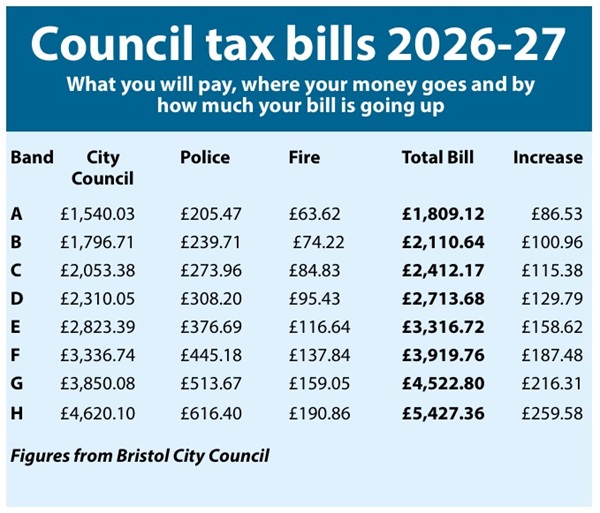
Bristol City Council is raising its element of the bill by 4.99% – the maximum allowed by law without calling a referendum – from £2,200.26 to £2,310.05 for median Band D households.
When charges from police and fire services are added, the overall bill for Band D taxpayers will increase by £129.79 (5.02%), from £2,583.89 to £2,713.68.
The lowest total bills are for Band A households, who will pay £1,809.12 – up £86.53 on last year – and the highest are in Band H, which will be £5,427.36: almost £260 higher than last year.
The council’s bill increase is divided into a ring-fenced 2% to pay for increased social care costs, and 2.99% for other services, such as libraries, roads and bin collections.
Avon & Somerset police and crime panel voted in favour of a £15 bill rise for Band D taxpayers – £30 for Band H and £10 for the lowest Band A homes.
Avon Fire Authority has agreed a £5 rise for Band D taxpayers.
During a public consultation held at the end of last year, about 48% of respondents opposed the 2.99% rise to cover the council’s core spending, with 43% in favour. Support for the 2% rise towards social care costs was higher, with 47% or people agreeing and 41% opposed: about 10% didn’t agree or disagree with either rise.
The Green-led authority’s budget was passed by 42 votes to 26 in February, with the Greens and Lib Dems voting in favour and Labour and the Conservatives against.
It includes £634 million for day-to-day services and £232m on capital investments in large projects and city infrastructure, such as houses, bridges and schools.
Just one of the nine budget amendments tabled by the minority parties received support in the four-and-a-half-hour meeting – a Liberal Democrat proposal to bring forward £1m of funding for road repairs and maintenance by a year, doubling the amount available this year.
The budget included nearly £41m in cuts to balance the books, but also a series of U-turns following public consultation, including £270,000 towards reopening public toilets and scrapping cuts to cultural groups.
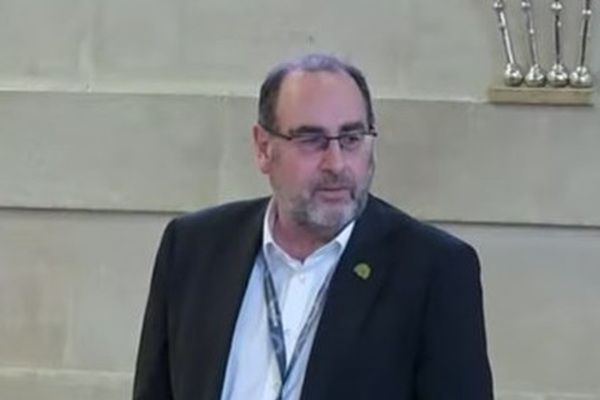
Council leader Tony Dyer (pictured above) said: “This budget sets a stable financial position whilst making space to target investment where our city needs it most.
“Our investment plans prioritise the day-to-day services our city relies on – bin collections, road maintenance, street cleansing – and invest to secure high-quality social care services and support our schools to deliver a high standard of inclusive education.
“Projects to build new homes and support routes out of homelessness will continue to receive millions of pounds of investment.
“Likewise, we have also set out ambitious plans for the ongoing transformation of our transport systems and the decarbonisation of our economy, which will secure long-term economic benefits for Bristol.”
Labour group leader Tom Renhard said other parties should thank the government for “saving our bacon”, with an increase in the council’s core spending power and the introduction of multi-year central funding settlements.
He said: “This is part of the first multi-year settlement in years, allowing councils to better plan for the future.”
He said the government pledging £5bn to write off 90% of council debts from special educational needs and disabilities spending is “probably the most significant news Bristol City Council will have all year”.
Lib Dem group leader Jos Clark (Brislington West) warned: “We must find £40m in savings next year, rising to £70m in 2030/31, just to balance our books.”
Conservative group leader Mark Weston (Henbury & Brentry) called for more spending on road and parks maintenance, and community investment.
He said the city ‘ignored the suburbs’ in making spending choices, adding: “Those communities pay their council tax but year on year they seem to get a kicking, no matter which party is in.”
By Adam Postans, Local Government Reporting Service