

DROUGHT conditions led to higher than usual levels of pollution in rivers and streams in the Fishponds area during tests carried out this summer.
A survey by “citizen scientists” for the Bristol Avon Rivers Trust found high levels of phosphates and nitrates in the River Frome and other waterways in the area.
The 11th annual RiverBlitz took place from July 25 to August 2, following “exceptionally low rainfall for many weeks”.
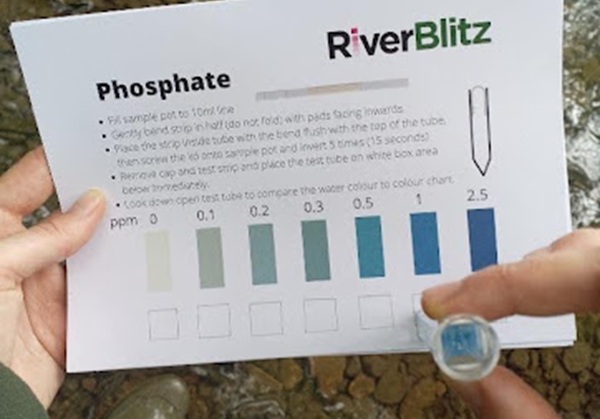
More than 200 volunteers collected and tested water samples for the two chemical nutrients at 283 sites across the Bristol Avon catchment, which includes the Frome and its tributaries.
They tested at 36 sites in the Fishponds area: 16 on the Frome between Frenchay Bridge and the bottom of Eastville Park, three on the Fishponds Brook, eight on the stream from Goffenton Drive allotments through Vassalls Park, eight on the Coombe Brook between Whitefield Road and Royate Hill allotments, and one at Eastville Park lake.
High levels of phosphates were recorded in 22 locations, with medium levels in five and low levels found in nine.
High levels of nitrates were also recorded at 22 sites, medium levels at five and low levels at nine sites.
Not every location had the same level of both nitrates and phosphates: Coombe Brook tests were more likely to show high levels of nitrates and more high phosphate levels were found in River Frome tests.
Volunteers also reported invasive Himalayan balsam plants, litter, dumped motorbikes and scooters – but also wildlife including kingfishers, cormorants and dragonflies.
Concentrated pollution
BART says lower water levels in rivers and streams lead to pollution becoming more concentrated.
Phosphates occur naturally in rivers, but high levels are often linked to treated and untreated sewage, as well as agricultural fertiliser, and contribute to harmful algal blooms, which can be poisonous to wildlife, livestock and dogs.
Across the region, 52% of sites tested had high phosphate levels, compared to a ten-year average of 42%, but below the figure of 61% for last year’s RiverBlitz, which also took place after “prolonged” dry weather.
Nitrate levels were lower than usual on the whole, with 25% of sites reporting low readings this year compared to the ten-year average of 10%.
One explanation for this is that because nitrates are commonly found in fertilisers washed off agricultural land, without any rain the chemicals stayed on the fields.
Once rain does fall, they can be washed into the rivers in “worryingly high amounts”, along with heavy metals, oils and microplastics flushed through drains from road surfaces.
BART said this year’s RiverBlitz provided a “valuable snapshot” of river health during drought, which is expected to become more common because of climate change.
BART chief executive Simon Hunter said: “Every sample collected by our volunteers helps us better understand these impacts, identify where action is needed most, and build the evidence to support further investigation to protect and restore the Bristol Avon catchment for the future.”
The results can be viewed at bristolavonriverstrust.org/riverblitz.