
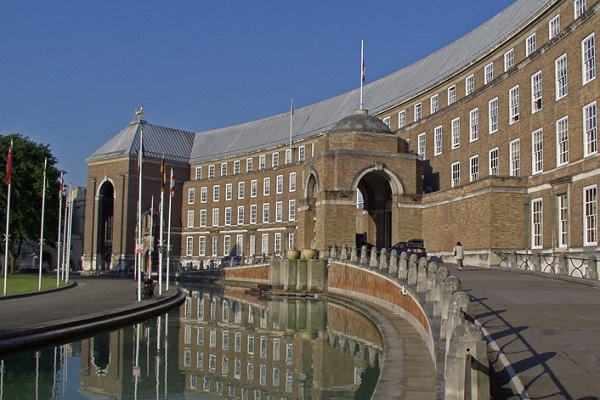
BRISTOL has missed out on the longlist to be the UK’s next City of Culture – although Swindon has made it, despite not being a city.
It means Bristol will not be following in the footsteps of previous winners Hull, Coventry and Bradford in 2029 – and has lost a chance to win £10 million to invest in a year of money-spinning events to unlock hundreds of millions of pounds for the local economy.
The nine longlisted locations include several towns – Blackpool, Ipswich, Middlesbrough and Swindon – as well as the cities of Milton Keynes, Portsmouth, Sheffield, Wrexham and Inverness.
Bristol was eliminated with eight bidders, including the Isle of Thanet, Peterborough, Plymouth, and Reading, who also submitted expressions of interest to the Department for Culture, Media and Sport.
The long-listed bidders will now receive £60,000 to develop a full application.
The DCMS said: “Winning this title will have enormous benefits for local communities, with previous hosts attracting millions of pounds in additional investment and thousands of visitors to their area, as well as generating new jobs.”
More than 230 towns have registered an interest in the inaugural UK Town of Culture competition.
Council leader Tony Dyer said: “We are committed to delivering a new approach to culture.
“Our cultural strategy demonstrates our long-term commitment to the sector in this city.
“We’re committed to building on the great work of the recent Citizens for Culture citizen’s assembly and ensure that culture can be enjoyed, celebrated and participated by everyone in our city regardless of postcode.”
He thanked the authority’s partners for helping to build Bristol’s ‘visionary’ bid.
Trinity Community Arts chief executive Emma Harvey said: “The connections Bristol has built through this expression of interest have been huge.
“We’ve come together around a shared, citizen-led vision for culture in our city and region – one grounded in the people and places that make our area so magical.
“Though we weren’t longlisted, it’s the energy and spirit of our place that matters, and Bristol has that in abundance.
“This was never just about a bid. It’s about how we show up for each other as a city.
“The task now is to keep going by working together, backing each other and getting on with delivering a cultural offer that represents all of us.”
The snub from DMCS, which runs the City of Culture competition every four years, comes just days after it emerged the Green-led council had quietly axed the successful Bristol Nights partnership.
That sparked anger from Labour and an open letter to Cllr Dyer urging a rethink from about 100 representatives of the local nighttime economy and cultural sector, including some of the city’s most influential venues, festivals and voices.
It also follows a U-turn in January when the local authority scrapped proposed £635,000 cuts to grants for cultural organisations following a major protest campaign led by performing arts union Equity, with the money in the budget now being protected for three years.
By Adam Postans, Local Democracy Reporting Service